CIP by CtrlAtlas Inc. / Division 27
Commercial Structured Cabling
A dependable communications network starts with the physical cable plant. CIP installs structured cabling for offices, industrial facilities, retail locations and construction projects, coordinating routes and terminations with the site team.
Request installation pricingInstallation scope
- Cat6 and Cat6A data drops where specified
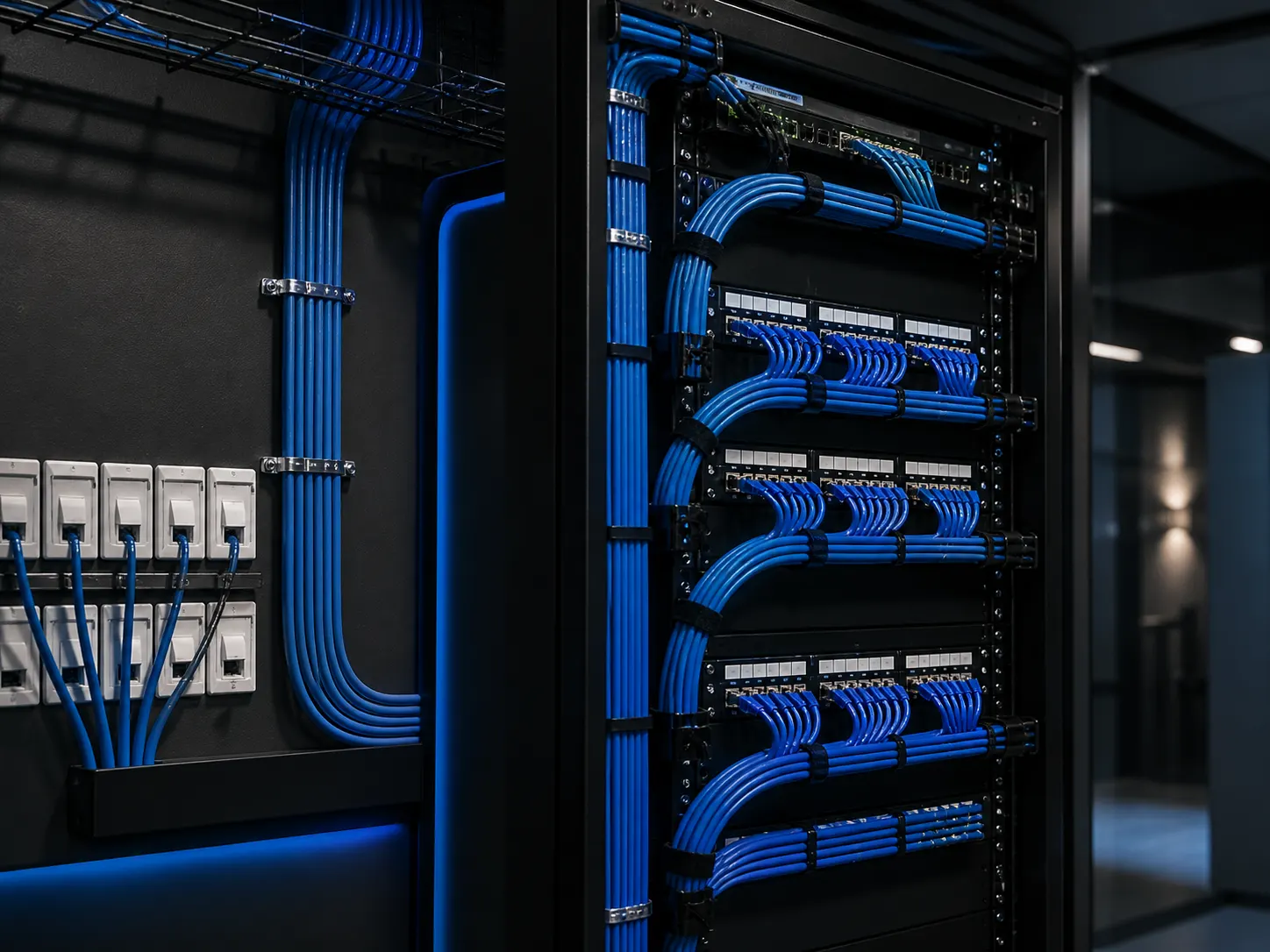
- Patch panels, wall plates and rack terminations
- Low-voltage pathway coordination and cable management
- Labeling, testing and agreed handover documentation
What to include in your package
Provide outlet counts, floor plans, rack locations, cable specifications and site access requirements. Separation, pathway responsibility and test deliverables are confirmed during review.
For new construction, renovations, expansions and technology upgrades across Southern Ontario. Scope and availability are confirmed before a bid is accepted.
How it works
Cat6 remains common for standard data and voice drops, while Cat6A is typically specified where higher bandwidth, 10-gigabit runs or additional shielding against interference is required, such as near fluorescent fixtures, motors or dense conduit. CIP installs and labels IDF/MDF rooms, horizontal runs to work areas, and backbone cabling between telecom rooms, and coordinates camera, access-point and access-control cable drops on the same pathway where the project calls for it. Work covers new construction, office and warehouse retrofits, and multi-site rollouts where a consistent cabling standard needs to be repeated across locations.
Where this applies
- Offices and corporate fit-outs
- Warehouses and industrial facilities
- Retail and multi-site commercial portfolios
- New construction and base-building projects
- Renovations and retrofits of occupied space
How does structured cabling fit Division 27?
Division 27 Communications commonly includes structured telecommunications cabling. CIP reviews the project specification to confirm cable types, installation responsibilities and required test documentation.
Division 27 communications and contractor project supportFrequently asked questions
What is structured cabling?
Structured cabling is the organized, standards-based cable plant — horizontal runs, backbone cabling, patch panels and outlets — that carries data, voice and other low-voltage signals through a building. It replaces ad-hoc wiring with a labeled, testable system.
Cat6 or Cat6A — which does my building need?
Cat6 is a common standard for everyday data and voice drops. Cat6A is specified where higher bandwidth, longer 10-gigabit runs, or additional shielding is required. The project specification or a site review determines which applies.
Can an existing, occupied building be retrofitted?
Yes. CIP coordinates retrofit cabling around occupied spaces, existing pathways and after-hours access where required, for offices, retail and industrial buildings.
Can fibre and copper be installed on the same project?
Yes. Copper handles horizontal runs to desks, cameras and access points, while fibre is used for backbone links between rooms or buildings. Both are coordinated together where the design calls for it.
Is completed cabling tested and documented?
Yes. Testing and labeling against the agreed specification are part of the standard scope, with handover documentation provided as confirmed during project review.
Can the same cabling support access points and security cameras?
Yes. Network drops for Wi-Fi access points and PoE security cameras are commonly run on the same structured cabling standard as data and voice outlets.
Do you handle warehouse and industrial cabling?
Yes. Warehouse and manufacturing projects typically involve longer runs, overhead or conduit pathways and coordination with other trades, which CIP plans for during scope review.
Do you work across all of Ontario?
CIP is Cambridge-based and serves Southern Ontario; availability for a specific site is confirmed during scope review.